

Ravi sat at his desk, staring at his books. His board exams were just three months away. He felt scared and confused. Where should he start? Which subject needed more time? His mother entered the room with tea and a smile. She said something that changed everything: “Success in board exams is not about studying harder. It is about studying smarter.” That simple advice became the foundation of his preparation strategy.
Every year, millions of students across India face the challenge of board exams. These exams shape academic futures and open doors to new opportunities. At SHEAT Public School Varanasi, we understand the pressure students feel. We have helped thousands of students achieve excellent results. This guide shares proven methods that work.
Preparing for board exams does not have to be stressful. With the right approach, proper planning, and consistent effort, any student can succeed. This article will walk you through every step of the journey. You will learn how to create effective study plans, manage stress, and perform your best on exam day.
Key Takeaways
- Start your board exams preparation at least six months in advance for best results
- Create a realistic study schedule that covers all subjects equally and includes regular breaks
- Practice previous year question papers to understand exam patterns and improve speed
- Focus on understanding concepts rather than rote learning for long-term retention
- Maintain physical health through proper sleep, nutrition, and regular exercise during preparation
- Develop effective stress management techniques to stay calm and focused during board exams
Understanding Board Exams and Their Importance
The journey of board exams begins with understanding what they truly represent. These examinations are not just tests of memory. They measure how well students have grasped concepts over years of learning. In India, board exams are conducted by various educational boards. The most common include CBSE, ICSE, and state boards.
Why Board Exams Matter for Your Future
Your board exams results become part of your permanent academic record. Colleges and universities look at these marks during admissions. Many competitive exams also require minimum board exam scores. These tests open doors to quality higher education. They help you qualify for scholarships and special programs.
Students who perform well in board exams gain confidence for future challenges. The preparation process itself teaches valuable skills. You learn time management, discipline, and how to handle pressure. These abilities serve you well throughout life, not just in academics.
The Structure of Board Exams
Most board exams follow a standard pattern. They test theory knowledge and practical application. Exams usually span several weeks. Each subject has a designated day and time. The format includes objective questions, short answers, and long descriptive answers. Understanding this structure helps you prepare better.
At SHEAT Public School Varanasi, we prepare students for all aspects of board exams. Our teachers focus on both knowledge and exam techniques. We conduct regular mock tests that mirror actual exam conditions. This practice reduces anxiety and builds confidence.
“Board exams are not the end of the world, but they are an important milestone. Proper preparation turns this challenge into an opportunity for growth.” – Education Expert, CBSE Board
Creating Your Board Exams Study Plan
A solid study plan is your roadmap to success in board exams. Without proper planning, preparation becomes chaotic and stressful. The best study plans are realistic, balanced, and flexible. They account for all subjects while leaving room for rest and recreation.
How to Design an Effective Study Schedule
Start by listing all subjects you need to prepare for your board exams. Assess which topics are difficult and which come easily. Difficult subjects need more time and attention. Create a weekly timetable that includes all subjects. Rotate between subjects to avoid boredom and maintain interest.
Your study schedule should include specific goals for each session. Instead of “study mathematics,” write “complete chapter on trigonometry.” This clarity helps you track progress. Set both daily and weekly targets. Review your progress every Sunday and adjust as needed.
Time Management Strategies for Board Exams
Effective time management makes board exams preparation less overwhelming. Use the Pomodoro technique: study for 25 minutes, then take a 5-minute break. After four sessions, take a longer 15-minute break. This method keeps your mind fresh and focused.
Identify your peak productivity hours. Some students focus better in the morning. Others prefer evening study sessions. Schedule difficult subjects during your peak hours. Save easier topics for when energy levels naturally dip.
| Time Period | Study Activity | Duration | Purpose |
|---|---|---|---|
| 6:00 AM – 8:00 AM | Difficult subjects | 2 hours | Peak concentration time |
| 9:00 AM – 11:00 AM | Medium difficulty topics | 2 hours | Maintain momentum |
| 4:00 PM – 6:00 PM | Revision and practice | 2 hours | Reinforce learning |
| 7:00 PM – 9:00 PM | Easy subjects and reading | 2 hours | Wind down period |
Balancing All Subjects Before Board Exams
One common mistake students make is focusing too much on favourite subjects. All subjects in board exams carry equal importance. Your overall percentage depends on performance across the board. Weak subjects need extra attention, but strong subjects should not be neglected.
Create subject-wise folders and notes. Keep all material organized and easily accessible. This saves time and reduces stress. Color-code your notes for quick reference. Use highlighters to mark important concepts and formulas.
Subject-Wise Preparation Strategies for Board Exams
Each subject in board exams requires a different approach. Mathematics needs practice. Languages need reading and writing skills. Science subjects combine theory with application. Understanding these differences helps you prepare efficiently.
Mastering Mathematics for Board Exams
Mathematics success in board exams comes from consistent practice. Solve problems daily, not just before exams. Start with easy questions to build confidence. Gradually move to harder problems. Keep a separate notebook for formulas and important theorems.
Practice previous year board exams papers specifically for mathematics. Time yourself while solving. This builds speed and accuracy. Identify patterns in how questions are asked. Many concepts repeat across years with slight variations.
Science Subjects Preparation for Board Exams
Physics, chemistry, and biology require understanding concepts deeply. For board exams in science, focus on both theory and numericals. Create diagrams and flowcharts for complex processes. Visual learning helps in science subjects.
Conduct practical experiments whenever possible. Hands-on experience makes theory memorable. At SHEAT Public School Varanasi, our science labs are equipped for thorough practical learning. This practical knowledge often helps in board exams theory questions.
Language and Literature for Board Exams
Language papers in board exams test writing skills, grammar, and literature understanding. Read your prescribed books multiple times. Make notes on characters, themes, and important quotes. Practice writing essays on different topics weekly.
Grammar rules need regular revision. Create a grammar handbook with rules and examples. Practice letter writing, article writing, and story writing. These formats appear frequently in language board exams. Time management is critical in language papers.
Social Studies Strategy for Board Exams
History, geography, and civics form the social studies portion of board exams. These subjects require good memory and understanding of cause and effect. Create timelines for historical events. Use maps to remember geographical features and locations.
For history in board exams, focus on dates, personalities, and consequences of events. Make short notes for quick revision. Use mnemonics to remember long lists. Connect historical events to current situations for better retention.
Effective Study Techniques for Board Exams Success
The method you use to study matters as much as the time you spend. Smart study techniques help you learn faster and remember longer. These methods have helped countless students excel in their board exams at SHEAT Public School Varanasi.
Active Learning Methods for Board Exams
Passive reading rarely works for board exams preparation. Active learning engages your brain fully. Ask questions while reading. Explain concepts aloud as if teaching someone. This technique reveals gaps in understanding immediately.
Create mind maps for each chapter. Connect related concepts visually. This technique works excellently for board exams revision. Your brain remembers visual patterns better than plain text. Use different colors and symbols to make mind maps memorable.
The Power of Practice Papers for Board Exams
Nothing prepares you better for board exams than solving actual past papers. These papers show exactly what examiners expect. Practice at least ten years of previous papers for each subject. Time yourself strictly while practicing.
After completing each practice paper, check answers carefully. Understand where you lost marks. Identify recurring weak areas. Focus extra effort on these topics. Practice papers also help you manage time during actual board exams.
“Students who regularly practice previous year board exam papers score 15-20% higher on average than those who don’t.” – Academic Research Study, 2024
Memory Techniques for Board Exams Content
Remembering vast amounts of information for board exams seems daunting. Memory techniques make this easier. Use acronyms to remember lists. For example, “VIBGYOR” helps remember rainbow colors. Create similar acronyms for your subjects.
The spaced repetition technique works wonderfully for board exams. Review new material after one day, then after three days, then after one week. This pattern moves information from short-term to long-term memory. Regular revision prevents last-minute panic.
Group Study Benefits for Board Exams
Studying with friends can boost your board exams preparation. Group study works when everyone is serious. Explain difficult concepts to each other. Teaching others strengthens your own understanding. Different perspectives help clarify doubts.
However, keep group study sessions focused. Set clear goals before meeting. Limit social chat to break times. Choose study partners who motivate rather than distract. At SHEAT Public School Varanasi, we encourage peer learning through supervised study groups.
Managing Stress During Board Exams Preparation
Stress is natural when preparing for board exams. However, too much stress harms performance. Learning to manage stress is as important as studying. A calm mind learns better and recalls information more easily during exams.
Recognizing Exam Stress and Anxiety
Many students experience anxiety about board exams. Common signs include trouble sleeping, headaches, loss of appetite, and constant worry. Recognizing these symptoms early helps you address them. Stress is not weakness – it is a normal response to pressure.
Talk about your board exams worries with parents or teachers. Sharing concerns often provides relief. Remember that millions of students face the same challenge. You are not alone in this journey. At SHEAT Public School Varanasi, counselors are always available to support students.
Relaxation Techniques for Board Exams Period
Include relaxation activities in your board exams preparation routine. Deep breathing exercises calm your nervous system. Inhale slowly for four counts, hold for four, exhale for four. Repeat this five times whenever you feel overwhelmed.
Physical exercise reduces stress hormones significantly. Even a 20-minute walk daily helps during board exams preparation. Exercise improves blood flow to the brain. This enhances concentration and memory. Yoga and meditation are excellent choices for students.
Maintaining Balance During Board Exams Season
Do not sacrifice sleep for extra study time before board exams. Your brain needs 7-8 hours of sleep to function properly. Sleep consolidates memories and improves problem-solving skills. Going to bed and waking up at consistent times helps.
Take regular breaks during study sessions. Short breaks prevent mental fatigue. Use break time for activities you enjoy. Listen to music, chat with family, or step outside. These moments refresh your mind for the next study session.
| Stress Management Activity | Time Required | Benefits | Best Time |
|---|---|---|---|
| Morning exercise | 20-30 minutes | Boosts energy and mood | Before breakfast |
| Meditation | 10-15 minutes | Improves focus | Before studying |
| Hobby time | 30 minutes | Mental relaxation | Evening |
| Social connection | 20 minutes | Emotional support | Meal times |
Nutrition and Health During Board Exams
Your physical health directly affects your board exams performance. A healthy body supports a sharp mind. Good nutrition, adequate sleep, and regular exercise form the foundation of effective preparation.
Best Foods for Board Exams Preparation
Your brain needs proper fuel during board exams preparation. Include foods rich in omega-3 fatty acids like walnuts and fish. These support brain function and memory. Fresh fruits and vegetables provide essential vitamins and minerals.
Avoid junk food and excessive caffeine during board exams season. These cause energy crashes that harm concentration. Stay hydrated by drinking plenty of water. Dehydration affects cognitive function negatively. Keep a water bottle at your study desk.
Sleep Schedule for Board Exams Students
Quality sleep is non-negotiable for board exams success. During sleep, your brain processes and stores information learned during the day. Students who sleep well perform better in exams. Never pull all-nighters before board exams.
Create a sleep-friendly environment. Keep your bedroom dark, quiet, and cool. Avoid screens for at least one hour before bed. Blue light from phones and computers disrupts sleep patterns. Read a book or listen to calm music instead.
Last Month Strategy for Board Exams
The final month before board exams is critical. This period is for revision, not learning new topics. Your strategy should focus on consolidating knowledge and building confidence. Smart work matters more than long hours now.
Revision Techniques for Board Exams
Create one-page summary sheets for each chapter. These become your quick reference guides. Revise these sheets daily in the last month before board exams. Flash cards work excellently for formulas, dates, and definitions.
Focus on important topics that carry more marks in board exams. Check the marking scheme for each subject. Allocate revision time based on weightage. Do not waste time on topics that rarely appear in exams.
Mock Tests Before Board Exams
Take at least one full-length mock test weekly. Simulate actual board exams conditions strictly. Sit in a quiet room with no distractions. Time yourself precisely. This practice builds stamina for the real exams.
Analyze each mock test carefully. Identify time management issues. Note which question types cause problems. Practice those specifically. Mock tests at SHEAT Public School Varanasi are designed to match actual board exams difficulty levels.
Dealing with Exam Fever Before Board Exams
The night before board exams should be calm. Avoid heavy studying. Review your summary sheets lightly. Prepare your exam kit: pen, pencil, eraser, ruler, admit card, and water bottle. Keep everything ready to avoid morning rush.
Eat a light, healthy dinner. Go to bed at your regular time. Set two alarms to ensure you wake up. Morning of board exams, eat a nutritious breakfast. Reach the exam centre 30 minutes early. This prevents last-minute stress.
During the Board Exams: Performance Tips
All your preparation comes together during actual board exams. How you perform on exam day determines your results. Following proven strategies helps you show your best work. Stay calm and trust your preparation.
Time Management in Board Exams Hall
Read the entire question paper first. This takes 5 minutes but saves time overall. Identify easy questions and mark them. Start with questions you know well. This builds confidence and momentum during board exams.
Allocate time to each section based on marks. A question worth 10 marks deserves more time than a 2-mark question. Keep checking the clock. If stuck on a question, move ahead. Return to difficult questions after completing easier ones.
Writing Strategies for Board Exams
Presentation matters in board exams. Write neatly and legibly. Use proper margins and spacing. Underline important points. Examiners appreciate well-organized answers. Even correct answers lose marks if illegible.
Structure your answers properly for board exams. Start with an introduction, develop the main body, and end with a conclusion. Use bullet points for listing. Draw diagrams wherever possible. Visual elements make answers more attractive.
Staying Calm During Board Exams
If you feel anxious during board exams, pause and breathe deeply. Close your eyes for ten seconds. This resets your nervous system. Remember that some stress is normal and actually helps performance.
Do not panic if you find questions difficult. Other students likely feel the same. Do your best with what you know. After one paper is over, forget it. Focus on preparing for the next subject. Dwelling on past papers wastes mental energy.
After Board Exams: What Next
Once board exams finish, you deserve a break. However, planning your next steps is also important. Results will arrive in a few months. Use this time wisely for rest and future planning.
Post Board Exams Relaxation
Take at least two weeks completely off after board exams. Do activities you enjoy. Meet friends and family. Travel if possible. This break helps you recover from months of intense preparation. Your mind and body need this rest.
Avoid discussing exam papers excessively. What is done is done. Constant analysis creates unnecessary worry. Trust your preparation and wait patiently for results. Spend time on hobbies you neglected during board exams preparation.
Planning for Results Day
Before board exams results arrive, research your options. Look at colleges and courses that interest you. Understand admission criteria and deadlines. This preparation helps you act quickly once results come.
Remember that board exams results do not define you. They are important but not everything. Many successful people had average marks. What matters is continuous learning and improvement. Stay positive regardless of results.
Support System for Board Exams Success
No student succeeds alone in board exams. Family support, teacher guidance, and peer encouragement all contribute. Building a strong support system makes the journey easier and more pleasant.
Role of Parents During Board Exams
Parents play a vital role in board exams success. They provide emotional support and create a conducive study environment. Good parents balance encouragement with realistic expectations. They understand that pressure harms rather than helps.
Parents should avoid comparing their child to others during board exams preparation. Every student is unique with different strengths. Instead, focus on individual progress. Celebrate small victories and provide comfort during setbacks.
Teacher Support for Board Exams
Teachers at SHEAT Public School Varanasi guide students through every step of board exams preparation. They clarify doubts, provide study materials, and conduct regular assessments. Never hesitate to ask teachers for help.
Attend all doubt-clearing sessions before board exams. These sessions address common problems students face. Teachers share valuable tips based on years of experience. Their insights can make a significant difference in your performance.
Common Mistakes to Avoid During Board Exams Preparation
Learning from others’ mistakes saves you time and stress. Many students repeat the same errors during board exams preparation. Avoiding these common pitfalls improves your chances of success significantly.
Starting Preparation Too Late
The biggest mistake students make with board exams is starting late. Last-minute preparation creates stress and leads to superficial learning. Begin your serious preparation at least six months before exams. Early start allows thorough understanding.
Students who delay board exams preparation often miss covering entire portions. They resort to shortcuts and rote learning. This approach rarely produces good results. Start early and study steadily for best outcomes.
Ignoring Weak Subjects
Many students avoid subjects they find difficult. This strategy backfires in board exams. Weak subjects need more attention, not less. Your overall percentage depends on all subjects equally. One poor score pulls down your entire result.
Identify weak areas early in your board exams preparation. Seek extra help for these topics. Practice more problems in difficult subjects. At SHEAT Public School Varanasi, we provide additional support classes for struggling students.
Neglecting Health and Wellbeing
Some students sacrifice sleep and health for extra study time before board exams. This approach is counterproductive. A tired brain cannot learn or remember effectively. Health should never be compromised for academics.
Maintain regular meal times during board exams preparation. Exercise daily even if briefly. Take adequate breaks between study sessions. Your body and mind work together. Neglecting one affects the other negatively.
Technology and Board Exams Preparation
Modern technology offers many tools for board exams preparation. However, it can also become a distraction. Using technology wisely enhances learning. Misusing it wastes precious time.
Useful Apps for Board Exams Students
Several apps help with board exams preparation. Educational apps provide video lessons and practice questions. Some apps create personalized study plans based on your weak areas. Timer apps help implement the Pomodoro technique effectively.
However, limit app usage to educational purposes during board exams season. Social media and gaming apps are major distractions. Consider using app blockers during study hours. Your phone should be a tool, not a distraction.
Online Resources for Board Exams
The internet contains endless resources for board exams preparation. YouTube has video explanations for difficult concepts. Educational websites offer free notes and practice papers. Use these resources to supplement classroom learning.
Be selective about online content for board exams. Stick to trusted sources and official board websites. Random content may contain errors. Always verify information against your textbooks. Quality matters more than quantity in online learning.
Board Exams Success Stories from SHEAT Public School
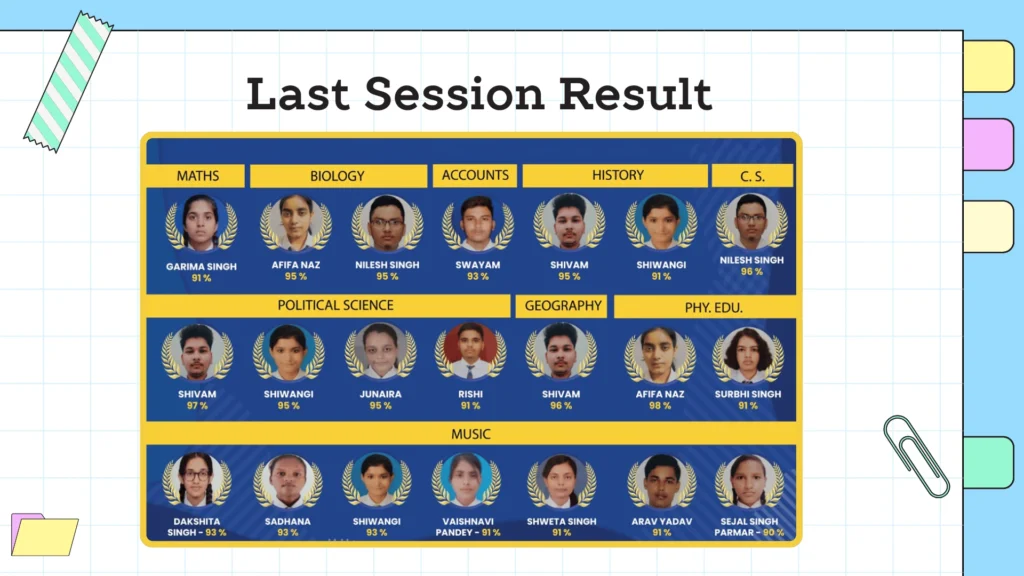
Real success stories inspire and guide future students. At SHEAT Public School Varanasi, we have witnessed countless students achieve excellence in board exams. Their journeys offer valuable lessons for current students.
Learning from Toppers
Students who score high in board exams share common habits. They start early and study consistently. They ask questions without hesitation. They practice extensively and revise regularly. Most importantly, they maintain balance between studies and wellbeing.
Our board exams toppers at SHEAT Public School Varanasi emphasize understanding over memorization. They credit their teachers and parents for constant support. They also stress the importance of staying positive throughout preparation.
Overcoming Challenges in Board Exams
Not all success stories are about straight-A students. Many students overcome significant challenges to do well in board exams. Some struggle with specific subjects. Others face personal difficulties during preparation. Their determination and smart strategies lead to success.
These stories teach us that board exams success is possible for everyone. It requires effort, strategy, and support. Past performance does not determine future results. With the right approach, improvement is always possible.
Frequently Asked Questions About Board Exams
When should I start preparing for board exams?
Start your serious board exams preparation at least six months before the exams. This timeline allows thorough coverage of all subjects with adequate revision time. Early preparation reduces stress and enables deep understanding rather than surface-level cramming. Students at SHEAT Public School Varanasi typically begin focused preparation by October for March exams.
How many hours should I study daily for board exams?
Most successful students study 6-8 hours daily during board exams preparation. However, quality matters more than quantity. Focused study for 6 hours produces better results than distracted studying for 10 hours. Include short breaks every hour. Listen to your body and mind to find your optimal study duration.
What if I cannot complete the syllabus before board exams?
Focus on high-weightage topics first if you are running short of time before board exams. Check previous year papers to identify frequently asked topics. Cover these thoroughly rather than superficially covering everything. Use summary notes and short revision techniques. Seek teacher guidance to prioritize effectively.
How can I improve my handwriting for board exams?
Start practicing neat writing at least three months before board exams. Write slowly and deliberately at first. Use lined paper to maintain consistency. Practice writing full answers within time limits. Good presentation can add extra marks. Many students improve handwriting significantly with dedicated practice.
Should I study late night before board exams?
Avoid late-night studying before board exams. Your brain functions best when well-rested. Late-night study disrupts sleep patterns and reduces daytime concentration. If you are a natural night person, adjust your schedule gradually. Most students perform better with early morning study sessions.
How do I stay motivated during board exams preparation?
Set small, achievable goals for your board exams preparation. Celebrate completing each milestone. Visualize your success and future opportunities. Take regular breaks to prevent burnout. Study with friends for mutual encouragement. Remember your reasons for working hard. At SHEAT Public School Varanasi, we organize motivational sessions to keep students energized.
What should I do if I feel anxious during board exams?
Practice deep breathing exercises if anxiety strikes during board exams. Close your eyes and take slow, deep breaths for 30 seconds. Read the easier questions first to build confidence. Remember that some nervousness is normal and can actually improve performance. Focus on the question at hand rather than worrying about results.
Are previous year papers important for board exams?
Previous year papers are extremely important for board exams preparation. They show exact exam patterns and question styles. Practice at least ten years of past papers for each subject. This practice improves time management and identifies weak areas. Many questions repeat with variations across years.
Conclusion
Your journey through board exams is a significant milestone in your academic life. Success in these exams opens doors to exciting opportunities and bright futures. At SHEAT Public School Varanasi, we have guided thousands of students through this journey successfully.
Remember that board exams test your knowledge, not your worth as a person. They are important but not everything. Approach them with confidence born from thorough preparation. Follow the strategies outlined in this guide consistently.
Start early, study smart, and maintain balance. Take care of your physical and mental health. Seek help when needed. Stay positive even when challenges arise. Your consistent effort will definitely bring results in board exams.
The skills you develop during board exams preparation extend far beyond academics. Time management, discipline, stress handling, and problem-solving abilities serve you throughout life. View this preparation as an opportunity for personal growth.
We at SHEAT Public School Varanasi believe in every student’s potential. Our teachers, staff, and facilities are dedicated to your success. Use all available resources. Ask questions. Practice regularly. Trust your preparation.
Take the first step today. Create your study plan. Organize your materials. Set your goals. Success in board exams awaits students who commit to consistent, smart preparation. Your future is bright, and your hard work will make it brighter. Best wishes for your board exams journey!