
We all want the best for our kids’ education. Digital learning has become a big topic. Schools like SHEAT Public School in Varanasi see tech’s good side.
But is digital learning safe for our little ones? There are many wrong ideas about tech in schools. Let’s find out what’s true.
We’ll look into EdTech and how it helps in schools. This will show how digital learning can really help kids learn.
Key Takeaways
- Understanding the safety of digital learning for young children.
- Debunking common myths surrounding digital learning.
- The role of EdTech in enriching education.
- Examples of successful digital learning in Indian schools.
- The need to mix tech with old teaching ways.
The Evolving Landscape of Digital Learning in India
India’s schools are changing fast with digital learning. We need to know the latest trends and challenges in digital learning across the country.
Current Educational Technology Trends in Indian Schools
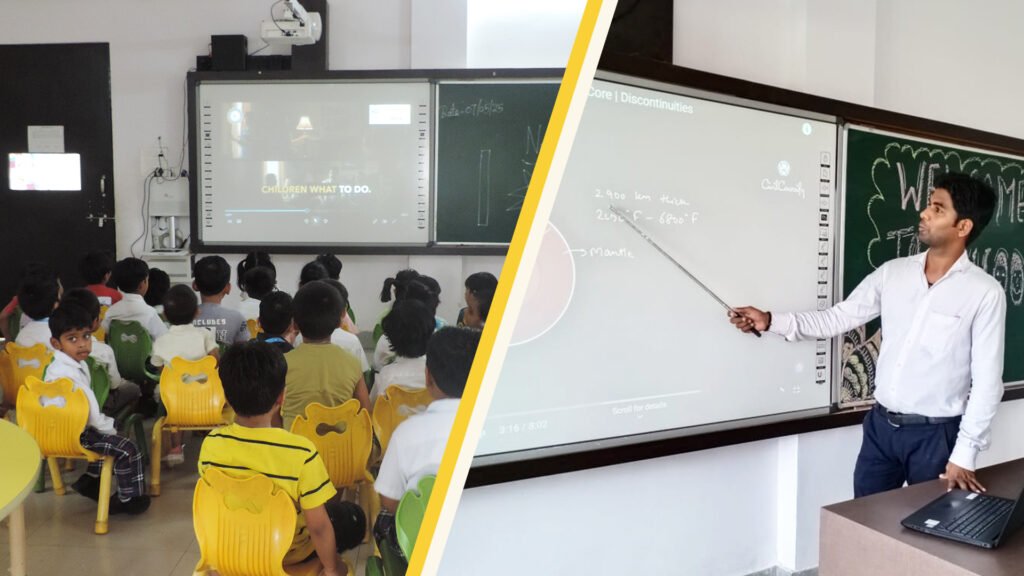
Indian schools are using tech to make learning better. Interactive whiteboards, online learning platforms, and educational apps are now in many classrooms. This change aims to make learning fun and easy to get.
Digital learning is adopted differently in cities and villages. City schools have better tech and resources. But, villages struggle with internet and lack of devices.
| Aspect | Urban Areas | Rural Areas |
|---|---|---|
| Internet Connectivity | High | Limited |
| Access to Digital Devices | Good | Limited |
| Digital Literacy | High | Low |
SHEAT Public School in Varanasi shows digital learning can work anywhere. With the right plan, even tough places can use digital learning well.
What Digital Learning Means for Young Children Today
Digital learning is big for young kids today. It uses tools and tech to make learning fun. Kids get to enjoy content that teaches them something new.
Age-Appropriate Digital Learning Defined
Digital learning for kids is all about the right tools for their age. It keeps them safe and helps them learn. It’s about finding the perfect mix of tech and learning.
The Spectrum of Educational Technology in Primary Education
Primary education uses lots of tech, like interactive whiteboards and apps. These tools make learning fun and hands-on.
From Interactive Whiteboards to Educational Apps
Interactive whiteboards help teachers make lessons exciting. Educational apps give kids learning experiences just for them. These tools really make learning better.
Curriculum Integration Approaches
Good digital learning fits tech into lessons well. It uses tools to help with learning and make it fun.
| Technology | Educational Benefit | Age Group |
|---|---|---|
| Interactive Whiteboards | Enhanced Engagement | 5-7 years |
| Educational Apps | Personalized Learning | 4-8 years |
Understanding tech in schools helps us see how digital learning works. It makes learning fun, interactive, and just right for kids.
Is Digital Learning Safe for Kids? Addressing Common Myths
We’re adding tech to early learning. It’s key to know what’s true and what’s not about digital learning safety. Many myths exist about digital tools in schools. We need to clear these up to understand their real effects.
Myth: All Screen Time Damages Developing Brains
Many think all screen time hurts kids’ brains. But, it’s the quality of screen time that really matters. Not how much they use it.
Myth: Digital Learning Isolates Children Socially
Some think digital learning makes kids lonely. But, many digital tools help kids work together. This can actually make their social skills better.
Myth: Technology Distracts From Learning
It’s not true that tech always takes away from learning. Used right, it can make learning more fun and personal.
What Research Actually Shows
Research says moderate and guided screen time can help kids learn. For example, interactive tools can boost math skills in young students.
| Myth | Reality |
|---|---|
| All screen time damages developing brains | Quality of screen time matters more than quantity |
| Digital learning isolates children socially | Many digital platforms facilitate collaboration and interaction |
| Technology distracts from learning | Appropriate technology use can enhance engagement and understanding |
“The effective integration of technology in education requires a balanced approach that considers both the benefits and the challenges.”
Knowing the truth about these myths helps us use digital learning wisely. This way, we can make education better for kids.
The Evidence-Based Reality of Digital Learning Safety
We are adding technology to early learning. It’s key to look at the facts about digital learning safety. There’s a big talk about its good and bad sides for young kids.
What Paediatric Experts Say About Educational Technology
Experts say tech can be good in early learning. Dr. Rajiv Kumar says, “Tech can make learning fun and interactive for kids.” But, it’s important to pick the right content and not overdo screen time.
Age-Appropriate Screen Time Guidelines for Indian Children
The Indian Academy of Pediatrics says kids 2-5 should watch 1 hour of good educational shows a day. Kids under 2 should not watch screens much, except for talking to family. Parents need to watch how much screen time kids have to keep them active and healthy.
Built-in Safeguards in Modern Educational Platforms
New learning platforms have safety features. They include systems to filter and watch content.
Content Filtering and Monitoring Systems
These systems block bad content and let parents see what kids are doing. They help keep learning safe online.
| Safeguard | Description | Benefit |
|---|---|---|
| Content Filtering | Restricts access to inappropriate content | Ensures children access only age-appropriate material |
| Monitoring Systems | Tracks a child’s activity on the platform | Allows parents and educators to identify areas for improvement |
Smart Classroom Advantages Transforming Early Education
Smart classrooms are changing how kids learn. They use technology to make learning fun and interactive. This helps all kinds of young learners.
Enhanced Engagement Through Interactive Learning
Smart classrooms use interactive learning with videos, animations, and quizzes. This keeps kids interested and involved in their studies.
- Interactive whiteboards help kids learn together.
- Educational apps offer learning just for them.
- Virtual labs let kids experiment safely.
Catering to Multiple Learning Styles Simultaneously
Every child learns differently. Smart classrooms are made to help all kinds of learners. They use many teaching methods and tools.
Measurable Outcomes from Indian Smart Classrooms
Indian schools have seen big changes with smart classrooms. SHEAT Public School in Varanasi is a great example.
SHEAT Public School’s Performance Metrics
SHEAT Public School has seen more students engaged and doing better in school. Here are some key numbers:
| Metric | Pre-Smart Classroom | Post-Smart Classroom |
|---|---|---|
| Student Engagement | 70% | 95% |
| Average Grades | C+ | B+ |
These numbers show how smart classrooms can really change education in India.
AI Learning in Primary Schools: The New Frontier
Primary schools are now using AI to make learning paths for each student. This change is making teaching and learning better.
Personalised Learning Pathways Through Artificial Intelligence
AI is leading a big change in education. It uses smart algorithms to know how each student learns. This makes learning special for each one.
Adaptive Learning Systems in Action
These systems check how well students are doing. They make the lessons harder or easier as needed. This keeps students just right, not too easy or too hard.
- Real-time feedback and assessment
- Personalised learning plans based on individual student needs
- Enhanced student engagement through interactive content
Ethical Frameworks for AI in Children’s Education
As AI gets more common in schools, we need to keep kids safe. We must protect their data and privacy. This is important for their safety.
Case Study: AI Implementation at SHEAT Public School, Varanasi
SHEAT Public School in Varanasi has made AI work well in their classes. This has helped students do better. Their story shows how AI can help in schools.
| Aspect | Pre-AI Implementation | Post-AI Implementation |
|---|---|---|
| Student Engagement | 60% | 85% |
| Average Grades | C+ | B+ |
| Teacher Feedback | Limited personalisation | Real-time, data-driven insights |
By using AI and being careful, we can help our kids. We can make sure they get the good parts of technology without losing their safety.
Creating Balance: Integrating Digital and Traditional Methods
We need to find a balance between digital and traditional teaching. This balance helps make learning better. It uses the best of both worlds.
Designing Effective Hybrid Learning Environments
Hybrid learning mixes digital and traditional teaching. It makes learning fun and includes everyone. For example, digital tools can make textbooks more interesting.
Parental Involvement in Digital Learning Supervision
Parents are key in making digital learning work well. They help by watching over their child’s learning online. They also talk to teachers to help students more.
Communication Strategies Between Parents and Educators
Talking well between parents and teachers is important. They share news on how students are doing. This helps everyone work together better.
| Communication Strategy | Description | Benefits |
|---|---|---|
| Regular Meetings | Face-to-face or virtual meetings between parents and educators | Enhanced understanding of student needs, improved collaboration |
| Email Updates | Regular email updates on student progress and challenges | Timely information, prompt action on issues |
| Parent-Teacher Apps | Specialised apps for sharing information and updates | Convenient, accessible, and secure communication |
Teacher Training Requirements for the Digital Classroom
Teachers need good training for digital classrooms. They should learn how to use digital tools and teach better. This makes learning fun and effective.
Practical Guidelines for Safe Digital Learning at Home
As we use more digital learning at home, it’s key to keep our kids safe. We need to make sure their learning space is both safe and effective. This means looking at a few important things.
Setting Up Child-Friendly Digital Learning Spaces
Creating a safe space for digital learning is about the right equipment and environment. Here are some important things to think about:
- Choose a quiet, well-lit area with few distractions
- Invest in a comfy, ergonomic chair and desk
- Use a device with a good screen size and resolution
- Make sure you have good internet and a steady power supply
Equipment and Environment Considerations
When setting up the space, think about these equipment and environment factors:
- Choose a device with a keyboard and mouse that’s easy for your child to use.
- Make sure the room is at a comfy temperature and well-ventilated.
- Think about using a headset or earphones for video calls or online lessons.
Age-Appropriate Monitoring Tools and Approaches
It’s important to watch over your child’s online activities. Here are some ways to do it safely:
- Use parental control software to block bad content and set time limits.
- Check your child’s browsing history and online activities often.
- Talk to your child about staying safe online and being a good digital citizen.
Building Digital Literacy Skills from an Early Age
Teaching your child about digital literacy is key for their safety and success online. Here are some tips:
- Start with basic skills like using a mouse and keyboard.
- Teach your child to think critically about online content.
- Encourage your child to use digital tools to create, like writing or making videos.
Teaching Critical Thinking About Online Content
To help your child think critically about online content, try these:
- Talk about the differences between reliable and unreliable sources.
- Encourage your child to question the truth of online info.
- Teach your child to spot and avoid online scams and false info.
Conclusion: Embracing the Digital Future of Education with Confidence
We must embrace the digital future of education with confidence. Digital learning is safe and good for young kids when used right.
Knowing the truth about digital learning helps us use it well. We need to mix digital and old ways of learning. We must also keep learning safe and support teachers and parents.
Digital learning can make learning fun and personal. It helps kids learn better and shows how well they’re doing. We should keep learning from this and trust digital learning more.
This way, our kids will be ready for the future. They will use digital learning to reach their highest goals.
FAQ
Is digital learning safe for young children?
Yes, digital learning is safe for young children if done right. We need to make sure it’s child-friendly and watched over. This way, we can keep learning spaces safe for them.
What are the benefits of smart classrooms in early education?
Smart classrooms make learning fun and interactive. They help students in different ways and show real results. For example, SHEAT Public School in Varanasi has seen great improvements thanks to smart classrooms.
How can AI learning benefit primary school students?
AI learning can make learning more personal for students. It makes education better. But, we must use AI wisely and follow rules to keep it safe for kids.
How can parents ensure safe digital learning at home?
Parents can make learning safe at home by creating a child-friendly space. They should use tools to watch over their kids and teach them about the internet early on.
What is the importance of balancing digital and traditional learning methods?
Mixing digital and traditional learning is key for a good education. It combines the best of both worlds. This way, students get a well-rounded education.
How can teachers be supported in integrating digital technologies into their classrooms?
Teachers need training to use digital tools well in class. This training helps them teach better and make learning fun for students.
Are there any guidelines for age-appropriate screen time for Indian children?
Yes, there are rules for how much screen time is okay for Indian kids. Experts say following these rules helps keep screen time healthy and balanced.
What role do parental involvement and communication play in digital learning?
Parents and teachers working together is very important for digital learning. They should talk and make sure learning is safe and effective for kids.