
Did you know experiential learning can make students up to 90% more confident? This big change is real at SHEAT Public School Varanasi. There, learning through activities has changed how students learn.
Activity-based learning is changing how students learn and grow. It goes beyond just reading books. At SHEAT Public School Varanasi, it has made students smarter and more confident.
Key Takeaways
- Experiential learning can make students up to 90% more confident.
- Activity-based learning makes students smarter and helps them remember better.
- SHEAT Public School Varanasi is a great example of using activity-based learning.
- This way of learning helps students understand things better by doing them.
- It gets students ready for real-life challenges by making learning fun and interactive.
The Shifting Landscape of Modern Education
Recently, education has changed a lot. Now, it focuses more on fun and interactive ways to learn. This is because old teaching methods don’t prepare students well for today’s world.
Moving Beyond Rote Learning
Rote learning means just memorizing stuff. It’s been a big part of old education. But it doesn’t help much with thinking, being creative, or solving problems. Activity-based learning is becoming better. It makes students do more in their learning.
Why Traditional Methods Fall Short
Old teaching ways make learning feel like just getting information. This can make students not care or try hard. But, activity-based learning makes learning fun and helps students face real-life problems.
Schools like SHEAT Public School Varanasi are leading this change. They use activity-based learning to help students feel more confident and do better in school.
Activity-Based Learning in Schools: A Comprehensive Overview
Activity-based learning is changing schools in India. It makes learning fun by using hands-on activities. This helps students understand better and grow.
Defining the Activity-Based Approach
This learning method lets students do things themselves. They get to explore and learn by doing. It’s different from just listening to teachers.
Key Components and Methodologies
Hands-on activities, project-based learning, and collaborative tasks are key. They help students think, create, and solve problems. For example, SHEAT Public School Varanasi uses these methods. Students do science experiments, math puzzles, and language games.
Research-Backed Benefits for Student Development
Studies show activity-based learning is great for students. It boosts grades, confidence, and social skills. Students learn more and remember better. It also makes them strong and flexible for the future.
SHEAT Public School Varanasi: Pioneering Active Learning
SHEAT Public School Varanasi is changing how we learn. It uses new ways to teach. The school is known for its excellent education.
School History and Educational Vision
SHEAT Public School Varanasi started to give kids a full education. It has a long history of helping students grow smart and kind. The school wants kids to be curious, creative, and think well.
“The goal is to educate the whole child, not just their intellect,” says the school. It believes in learning by doing. This way, kids stay interested and ready for the future.
Curriculum Integration of Hands-on Activities
The school’s lessons are fun and hands-on. Kids do science experiments, math models, and language games. They even act out history. Every subject is made fun and practical.
Signature Programs and Initiatives
SHEAT Public School Varanasi has special programs. There are science fairs, cultural festivals, and literary seminars. These events help kids learn and show off their skills.
The school’s focus on hands-on learning is clear. Its learning by doing method works well. It keeps kids interested and helps them do well in school.
The Psychological Framework of Experiential Learning
Experiential learning is all about hands-on activities. It shows how students learn by doing. They don’t just sit and listen; they get involved.
How the Brain Processes Active vs. Passive Learning
Studies show the brain works differently when you’re active versus passive. Active learning makes many brain areas work together. This helps you remember better. But passive learning doesn’t stick as well.
Building Neural Pathways Through Engagement
Experiential learning builds strong brain connections. Students learn by doing, not just listening. They get better at solving problems and thinking critically.
Knowing how the brain learns helps teachers make lessons more effective. This way, students learn more and feel more confident.
Confidence Building: From Classroom to Real Life
Schools can boost student confidence with hands-on activities. This makes learning fun and prepares students for life’s challenges. At SHEAT Public School Varanasi, this approach has really worked.
Overcoming Fear of Failure Through Practice
Activity-based learning gives students many chances to practice and face their fears. They learn to take risks, make mistakes, and grow from them. This builds their resilience and confidence.
Regular practice and positive feedback are key. Students get encouragement as they try new things. This boosts their confidence.
Developing Public Speaking and Presentation Skills
Being good at public speaking and presentations is important for students’ future. Activity-based learning offers many chances to practice these skills. At SHEAT Public School Varanasi, students learn to share their thoughts and opinions. This makes them more confident speakers.
Student Success Stories from SHEAT Public School
Activity-based learning has made a big difference at SHEAT Public School Varanasi. For example, a shy student became more confident after being in a school play. Their confidence grew, not just on stage, but in school and with friends too.
These stories show how well activity-based learning works. It creates a supportive space for students to practice and grow. This helps them face their fears and become confident.
Types of Activities That Foster Student Confidence
Learning through activities helps students feel more confident. Schools like SHEAT Public School Varanasi use many fun activities. These help students feel more sure of themselves.
Role-Playing and Dramatic Presentations
Role-playing and dramatic presentations help students feel braver. They learn to speak in front of others and work together. Dramatic presentations also help them speak clearly and deal with nerves.
Problem-Solving Challenges and Competitions
Challenges and competitions make students think creatively. They learn to solve big problems and work fast. Competitions also teach them to handle stress and get feedback.
Student-Led Projects and Exhibitions
Student-led projects let students take charge of their learning. They learn to manage projects and present their work. Exhibitions help them show off their skills to others, boosting their confidence.
Annual Events and Showcases at SHEAT
SHEAT Public School Varanasi hosts annual events and showcases. These events let students show their talents. They help students feel proud of what they’ve done.
Subject-Specific Implementation Strategies
Using activity-based learning in different subjects can really get students excited. It makes learning fun and relevant. Teachers can make each subject more interesting by using special activities.
Mathematics: From Abstract to Concrete
Many see math as just numbers and symbols. But, with hands-on learning, it becomes real. Using everyday things to show math concepts helps students learn and remember better.
Measurement and Geometry Activities
Measuring the classroom or making shapes with common items makes math fun. These activities help students see and use math in real life.
Science: Inquiry-Based Experiments
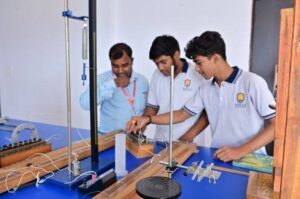
Science is perfect for activity-based learning. It lets students explore and learn through experiments. This way, they become curious and understand science better.
Languages and Social Studies: Cultural Immersion
Cultural activities are great for languages and social studies. Students can act out cultural scenes, make projects about history, or practice languages with others.
| Subject | Activity-Based Learning Strategy | Benefits |
|---|---|---|
| Mathematics | Measurement and geometry activities | Improved understanding of abstract concepts |
| Science | Inquiry-based experiments | Enhanced curiosity and understanding of scientific principles |
| Languages and Social Studies | Cultural immersion activities | Better retention of cultural and historical information |
Teachers can make learning fun and effective by using these strategies. Activity-based learning changes how students see and learn about different subjects.
Teacher’s Role in Activity-Based Learning Environments
In activity-based learning, teachers change a lot. They move from being just teachers to helping students learn.
From Instructor to Facilitator
Teachers now help students through activities and projects. They don’t just teach. They guide students to learn on their own. At SHEAT Public School Varanasi, this makes learning all about the students.
Professional Development at SHEAT Public School
Teachers at SHEAT Public School get a lot of training. They learn how to make learning fun and how to help students grow. This training helps them teach in new ways.
Creating Safe Spaces for Experimentation
Teachers play a big role in making a safe place for students to try new things. They create a place where students feel safe to make mistakes. This helps students learn and grow.
| Key Strategies | Description | Benefits |
|---|---|---|
| Encouraging Open-ended Questions | Fosters curiosity and inquiry-based learning | Develops critical thinking skills |
| Providing Feedback, Not Answers | Guides students towards self-discovery | Enhances problem-solving abilities |
| Creating Collaborative Learning Environments | Promotes teamwork and mutual respect | Develops social and emotional intelligence |
Teachers at SHEAT Public School Varanasi use these strategies. They make learning fun and inclusive. This helps students feel confident and do well in school.
Measuring Confidence Growth and Social-Emotional Development
Measuring how confident students are is very important. At SHEAT Public School Varanasi, teachers use many ways to check this. They look at how well students do in activities and how they feel about themselves.
Qualitative Assessment Techniques
Qualitative methods give us deep insights into students’ feelings and thoughts. They use student self-assessments, peer feedback, and teacher observations. This helps teachers understand how activities help students feel more confident.
Long-Term Impact on Student Achievement
It’s important to see how activities affect students over time. Studies show that these activities help students do better in school and feel better about themselves. At SHEAT Public School Varanasi, students who did activities showed big improvements in confidence and school work.
SHEAT’s Tracking and Evaluation Methods
SHEAT Public School Varanasi has a strong way to track how students are doing. They do regular checks and give feedback to help students grow.
| Assessment Method | Description | Frequency |
|---|---|---|
| Student Self-Assessments | Students reflect on their confidence and skill development. | Quarterly |
| Peer Feedback | Students provide constructive feedback to peers. | Bi-Monthly |
| Teacher Observations | Teachers monitor student participation and engagement. | Continuous |
Overcoming Implementation Challenges
Getting activity-based learning to work needs a big plan. Schools must face and solve many problems to make it work well.
Resource Allocation and Management
Resource allocation is a big challenge. Schools must have enough money, stuff, and time for this learning method. Managing these resources well is key to success.
| Resource | Allocation Strategy |
|---|---|
| Financial | Budgeting for materials and training |
| Human | Training teachers and staff |
| Time | Scheduling activities effectively |
Balancing Academic Pressures with Activity Time
Schools find it hard to mix learning with activity time. Finding this balance is key. Students need both learning and doing things.
“The key to successful implementation is not to see activity-based learning as separate from academic learning, but as an integral part of it.”
Gaining Stakeholder Support
Getting support from parents, teachers, and the community is important. Stakeholder engagement helps. Schools can do this with updates, workshops, and showing the good things about activity-based learning.
Technology Integration in Activity-Based Learning
SHEAT Public School Varanasi leads in using technology in learning. It makes school exciting and helps students feel confident and interested.
Enhancing Physical Activities with Digital Tools
Digital tools help make physical activities better in learning. SHEAT Public School uses apps, whiteboards, and software to make learning fun. Technology integration helps students understand hard ideas better.
Virtual and Augmented Reality Applications
Virtual and Augmented Reality (VR/AR) changes learning. It makes learning fun and interactive. At SHEAT Public School, VR/AR brings history to life and helps with science.
SHEAT’s Technology-Enhanced Learning Spaces
SHEAT Public School has great learning spaces. Its classrooms have the latest technology. This helps teachers create fun and interactive lessons.
| Technology | Application in Activity-Based Learning | Benefits |
|---|---|---|
| Digital Tools | Interactive simulations, collaborative projects | Enhanced engagement, improved collaboration |
| VR/AR | Immersive experiences, virtual labs | Increased understanding, retention of complex concepts |
| Interactive Whiteboards | Dynamic lesson delivery, interactive quizzes | Improved student participation, real-time feedback |
Conclusion: The Transformative Power of Learning by Doing
Activity-based learning in schools is a great way to boost student confidence and grades. It moves away from just memorizing to doing hands-on activities. This makes learning more fun and effective.
Learning by doing makes school more real and fun. Schools like SHEAT Public School Varanasi show how it boosts student confidence. It prepares them for life’s challenges.
Teachers using activity-based learning make school better for everyone. It helps students of all kinds learn better. They get skills like solving problems, working together, and speaking up.
As schools change, using activity-based learning is key. It helps create a new generation of confident, skilled, and creative people.
FAQ
What is activity-based learning?
Activity-based learning is a way to teach. It makes students do hands-on activities. This helps them learn better and feel more confident.
How does activity-based learning improve student confidence?
Students get to do fun and challenging things. This helps them feel good about themselves and believe they can grow.
What types of activities are used in activity-based learning?
Students do things like role-playing and solving problems. They also work on projects and show what they’ve learned. These activities help them think, be creative, and work together.
How is technology integrated into activity-based learning?
Technology makes learning fun by adding digital tools. It also brings learning to life with virtual and augmented reality. This makes learning more exciting and hands-on.
What is the role of teachers in activity-based learning environments?
Teachers help guide students through activities. They offer support and make sure students feel safe to try new things. They don’t just teach; they help students learn.
How is student progress measured in activity-based learning?
Progress is checked in different ways. Teachers look at how well students do and how they grow over time. They focus on how confident and emotionally smart students become.
What are some common challenges in implementing activity-based learning?
Some problems are finding enough resources and balancing school work with fun activities. Getting everyone to agree can also be tough. But, with good planning and teamwork, these issues can be solved.
How can activity-based learning be implemented across different subjects?
It can be used in many subjects. For math, there are activities like measuring and geometry. In science, students do experiments. For languages and social studies, they dive into different cultures. This makes learning fun and relevant.