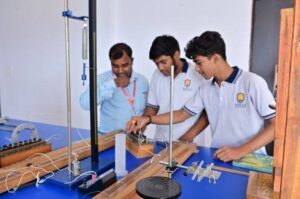


A good study plan is key for success. At SHEAT Public School Varanasi, they stress the need for a well-planned study routine. This helps students reach their goals.
It’s important to make a timetable that fits schoolwork and fun. A solid study routine keeps students on track. It leads to better grades and less stress.
Key Takeaways
- A well-planned study routine is essential for CBSE students.
- SHEAT Public School Varanasi emphasizes the importance of a structured study plan.
- A balanced timetable helps students stay organized and focused.
- A good study routine leads to better grades and reduced stress.
- Creating a study plan helps students achieve their academic goals.
Why a Structured Daily Study Routine Matters for CBSE Students
For CBSE students, a daily study routine is very important. It helps them stay organized and manage their time well. This way, they can prepare well for exams.
The Science Behind Effective Study Habits
Studies show that regular study habits help remember things better. When students study every day, they get better at learning and remembering. Effective study habits come from being consistent, and a daily routine helps with that.
CBSE Curriculum Demands and How Routines Help
The CBSE curriculum is big and hard to keep up with. A daily study routine helps by setting times for each subject. This way, students can cover all the important material.
- Breaking down study material into manageable chunks
- Allocating sufficient time for each subject
- Prioritizing topics based on importance and difficulty
Long-term Benefits of Consistent Study Patterns
Studying regularly has many benefits that last a long time. It helps students become disciplined and learn to manage their time. These skills are very useful in life, helping with success in work and personal life. By studying every day, CBSE students can get these benefits and do well in school.
CBSE students should understand how important a daily study routine is. With a good study plan, they can stay focused, manage their time well, and do great in their studies.
Understanding Different Learning Needs Across Age Groups
CBSE students face unique challenges at different stages of their education. They need study routines that change as they grow. This helps them learn better.
Class 6-8: Building Foundation with Balanced Routines
Younger CBSE students in Classes 6-8 need a balanced daily study routine. They should spend time on different subjects, fun activities, and rest. A balanced routine helps build a strong foundation and makes learning fun. SHEAT Public School Varanasi teaches students to explore interests while doing well in school.
Class 9-10: Preparing for Board Examination Patterns
Students in Classes 9 and 10 face tougher syllabi and board exams. They need to learn study techniques for these exams. This includes practicing with sample papers and managing time well. Creating a study plan that mirrors the board exam pattern helps reduce stress and boosts performance.
Class 11-12: Advanced Study Techniques for Higher Classes
Students in Classes 11 and 12 need advanced study techniques for their complex curriculum. They should dive deeper into subjects, practice more, and choose study approaches based on their stream.
Stream-Specific Study Approaches
- Science Stream: Focus on practical experiments and problem-solving.
- Commerce Stream: Emphasis on numerical problems and case studies.
- Arts Stream: Detailed reading and analytical writing.
Understanding these different needs and adapting study routines can greatly improve a student’s academic journey.
“The key to success lies in understanding the unique needs of each student and tailoring the study approach.” –
By recognizing the distinct challenges and opportunities at various educational stages, CBSE students can be better supported in their academic pursuits.
Creating the Perfect Morning Study Routine
Morning study routines are key to a productive day. For CBSE students, a good study plan in the morning boosts their grades.
Early Morning Study Benefits for Memory Retention
Studying early is best for keeping information in your mind. Your brain is sharp after sleep. So, use the morning for tough subjects.
Subject Prioritization for Morning Hours
It’s smart to pick the hardest subjects first. Start with math or science. Then, do languages or social studies.
| Time | Subject | Activity |
|---|---|---|
| 6:00 – 7:00 AM | Mathematics | Practice Problems |
| 7:00 – 8:00 AM | Science | Revision Notes |
| 8:00 – 9:00 AM | Languages | Reading Comprehension |
Breakfast and Preparation Habits of Successful Students
Eating a good breakfast keeps you going. Students who do well also plan their day and prep the night before. This saves time and cuts down stress.
Adding these habits to your morning can help you succeed in school.
Effective After-School Daily Study Routine for CBSE Students
A good study plan for CBSE students can really help. It makes learning easier and helps remember things better. By planning their time well, students can understand hard topics better.
Transitioning from School to Home Study Mode
Going from school to studying at home can be tough. To make it easier, students need a consistent routine. This could be eating a healthy snack, setting up a good study area, or relaxing a bit.
Homework Completion Strategies
Doing homework well is key. Students should prioritize their tasks and start with the hardest ones. Breaking big tasks into smaller ones helps too.
Evening Review Sessions: Cementing the Day’s Learning
Reviewing what you learned in the evening is very important. Students should look over their notes, summarize important points, and make review notes for each subject. This keeps information fresh and gets them ready for tests.
Creating Subject-Specific Review Notes
Review notes should be easy to look over. Students can use a simple format like this:
| Subject | Key Concepts | Review Notes |
|---|---|---|
| Mathematics | Algebra, Geometry | Formulas, Theorems |
| Science | Biology, Physics | Key Definitions, Processes |
| Language | Grammar, Vocabulary | Rules, Examples |
By studying in a structured way, CBSE students can learn more and do better in school.
Subject-Wise Study Allocation in Your Daily Schedule
CBSE students can do better by planning their study time well. A good study plan makes sure each subject gets the right amount of time. This leads to better grades in all subjects.
Mathematics and Science: Practice-Based Approach
For Math and Science, practicing a lot is key. Students should spend a lot of time solving problems and doing numericals. This makes learning stick and improves problem-solving skills.
Daily Practice Tips:
- Solve a set of problems from each chapter.
- Use online resources or reference books for more practice.
- Review and analyze mistakes to avoid making them again.
Languages and Social Studies: Comprehension Techniques
Languages and Social Studies need a focus on understanding and remembering. Students should read chapters carefully, make notes, and test themselves on what they’ve learned.
Effective Comprehension Strategies:
- Read chapters actively, highlighting important points.
- Summarize each chapter in your own words.
- Talk about topics with friends or family to get a better grasp.
Practical Subjects: Balancing Theory and Application
Subjects like Computer Science or Home Science need a mix of theory and practice. Students should spend time on both learning the theory and doing practical work.
NCERT and Reference Book Study Balance
It’s important to balance NCERT textbooks with reference books. NCERT books give a solid base, while reference books add more details and practice. Students should focus on NCERT but also use reference books.
By planning study time for each subject, CBSE students can do well in school. It’s about finding the right balance and sticking to a study plan.
Time Management Techniques for CBSE Curriculum
CBSE students can do better in school by managing their time well. Good time management helps them focus and balance school with other things.
Pomodoro and Other Study Timing Methods
The Pomodoro Technique is a great way to study. It means working in 25-minute chunks, then taking a 5-minute break. It keeps students focused and helps them remember things better. Other methods like the 50/10 rule and time blocking also work well.
Digital Tools to Track Study Hours
Digital tools are great for keeping track of study time. Toggl, RescueTime, and Google Calendar help schedule study times and remind you when it’s time to work.
Creating Weekly and Monthly Study Plans
Having a study plan is key for CBSE students. It helps them fit in time for each subject. They should check and change their plans often.
Adapting Schedules During Different Academic Phases
Students need to change their study plans as school changes. Being flexible helps them handle stress and stay on track.
Using these time management tips, CBSE students can do better in school. They’ll have a good exam routine and succeed.
Specialized Exam Preparation Routines for CBSE Students
CBSE students need special exam prep routines to do well. These routines fit the CBSE curriculum. They help students get ready for exams.
Unit Test Preparation Strategy
CBSE students need a good unit test prep plan. It includes looking over notes, doing sample questions, and finding what they don’t know. SHEAT Public School Varanasi says unit tests are key for term and board exams.
Term Examination Study Plan
Term exams need a detailed study plan. CBSE students should study all subjects and topics well. They should also study hard subjects and get better at weak ones.
Board Exam Preparation Timeline
CBSE board exams need a long plan. Students should start early. They should make a detailed timeline for studying and practice tests.
Mock Test Integration in Daily Routines
Mock tests in daily study routines help CBSE students get used to exams. They learn to manage time well. The table below shows a mock test plan:
| Day | Subject | Mock Test Duration |
|---|---|---|
| Monday | Mathematics | 3 hours |
| Wednesday | Science | 3 hours |
| Friday | English | 3 hours |
By using these strategies, CBSE students can get better at exams. They will feel more confident.
Incorporating Breaks and Self-Care in Study Schedules
Adding breaks to study time makes students work better and stay focused. A daily study routine for CBSE students with breaks stops burnout. It also makes students feel better overall.
Active Break Activities That Enhance Learning
Doing active breaks makes the mind fresh and work better. Good activities include:
- Short walks or stretching exercises
- Meditation or deep breathing exercises
- Creative pursuits like drawing or writing
These activities make students come back to studying with more energy and focus.
Nutrition and Sleep Requirements for Students
Good food and sleep are key for students’ brains and memory. Eating well means:
| Nutrient | Food Sources |
|---|---|
| Protein | Nuts, eggs, fish |
| Complex Carbohydrates | Whole grains, fruits |
| Healthy Fats | Avocados, olive oil |
Students need 7-9 hours of sleep each night. This helps them stay sharp for studying.
Managing Screen Time During Study Breaks
It’s easy to get caught up in social media during breaks. But too much screen time is bad. Instead, students can:
- Read a book or magazine
- Engage in a hobby or creative activity
- Take a short walk outside
SHEAT Public School Varanasi’s Approach to Student Success
At SHEAT Public School Varanasi, teachers think a good study plan is very important. They help students make a study schedule for school students to do better in school. This plan also helps students feel less stressed.
Study Routine Recommendations from Top Educators
The school’s teachers give study tips for all ages and learning styles. Here are some:
- Creating a dedicated study space at home
- Setting aside specific times for homework and revision
- Incorporating regular breaks to avoid burnout
Success Stories: How SHEAT Students Manage Their Study Time
Many SHEAT students have done very well by following these study tips. They say they get better grades and manage their time better.
School-Home Integration for Optimal Learning
SHEAT Public School Varanasi says it’s key to mix school and home learning. This helps students understand better and stick to a exam routine.
SHEAT’s Academic Support Systems for Different Learning Styles
The school has many ways to help students learn in their own way. This includes one-on-one tutoring and learning plans that change as needed.
Conclusion: Personalizing Your CBSE Study Routine for Maximum Results
Creating a daily study routine that fits you is key to doing well in CBSE. It helps you manage your time well. This way, you can balance schoolwork with other fun activities.
A good CBSE timetable makes sure you study all subjects well. It helps you remember things better. By planning your study time, you can learn in a way that works best for you.
Make your study routine your own by knowing your strengths and weaknesses. Set goals that are real and use the right study tools. This way, you can do your best and reach your goals. Schools like SHEAT Public School Varanasi also teach this, helping students do well in school.
FAQ
How do I create a study schedule for CBSE students?
First, learn about the CBSE curriculum and exam pattern. Then, plan how much time to spend on each subject. Make sure to include breaks and self-care to stay healthy.
What is the best daily study routine for CBSE Class 6 to 12 students?
A good daily routine mixes study and play. Set times for studying, homework, and breaks. Focus on hard subjects first and take breaks to avoid getting tired.
How can I manage my time effectively during CBSE exams?
Make a study plan that covers all subjects. Use the Pomodoro technique for time management. Practice with sample papers to get used to the exam format.
What are some effective study tips for CBSE board exams?
Good study tips include making a study plan and practicing with sample papers. Understand concepts well, stay organized, and manage your time well.
How can I stay motivated while studying for CBSE exams?
Stay motivated by setting goals and rewarding yourself. Create a good study space and take breaks. Surround yourself with positive people and remember your goals.
What is the importance of a morning study routine for CBSE students?
A morning study routine helps you start the day well. It improves memory and focus. Study important subjects in the morning.
How can I balance school and home study for CBSE students?
Balance school and home study by making a schedule. Focus on homework and revision. Talk to teachers and parents to stay on track.
What are some effective after-school study routines for CBSE students?
Good after-school routines include smoothly switching to study mode. Complete homework and review the day’s lessons. Use notes to help remember what you learned.
How can I prepare for CBSE unit tests and term examinations?
Prepare for exams by making a study plan for the syllabus. Practice with sample papers and revise often. Stay organized and manage your time well.