

The Central Board of Secondary Education (CBSE) exams are very important for students. At SHEAT Public School Varanasi, students learn how to do well in these exams.
Many students make mistakes during exams. These mistakes can really hurt their scores. Knowing these common pitfalls is the first step to doing better.
By knowing the most frequent mistakes in CBSE exams, students can study better. This article will talk about these mistakes. It will also give CBSE exam tips on how to avoid them.
Key Takeaways
- Understand the exam format and question types.
- Practice time management during the exam.
- Review and analyze past exams to identify common mistakes.
- Develop a study plan tailored to your needs.
- Stay focused and calm during the exam.
The Pressure of CBSE Exams: Understanding the Challenge
It’s key for students to know the pressure of CBSE exams. These exams are a big deal in a student’s life. They can shape their future in school and work.
The Significance of CBSE Exams in a Student’s Academic Journey
CBSE exams test more than just knowledge. They check if a student can handle stress, manage time, and use what they’ve learned. These exams show if a student is ready for college and their career. So, students must be ready.
How SHEAT Public School Varanasi Prepares Students for Exam Success
SHEAT Public School Varanasi is known for helping students with CBSE exams. The school prepares students in a way that helps them do well and stay healthy.
SHEAT’s Unique Exam Preparation Methodology
The school has a special way to prepare for exams. It includes tests, feedback for each student, and learning concepts deeply. This method helps students feel less stressed during exams.
Success Stories from SHEAT Public School Graduates
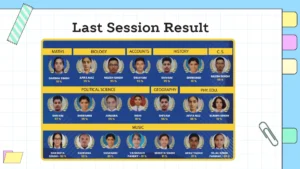
Many students from SHEAT Public School Varanasi have done great in CBSE exams. They got top scores and went to famous schools. The school’s success stories show its effective ways to prepare for exams and the hard work of students and teachers.
Poor Time Management: The Silent Grade Killer
Students often don’t see how important time management is during exams. This can cause them to do poorly, even if they study hard. Getting good at managing time is key to doing well in CBSE exams.
Why Students Struggle with Exam Time Allocation
Many students find it hard to manage their time during CBSE exams. This problem often comes from not practicing timed exams or not having a clear plan.
Identifying the root cause of time management issues is the first step towards improvement. Students should think about their exam prep and find ways to better manage their time.
Effective Time Management Strategies for Different CBSE Subjects
Each subject needs its own time management plan. Knowing these plans helps students use their time wisely.
Time Distribution for Science Subjects
Science subjects like Physics, Chemistry, and Biology need more time for math problems and practical questions. Students should spend more time on these parts.
For Humanities and Languages, time should be based on question marks. More time should go to essays or questions with more marks.
Creating a Personalized Exam Time Plan
Creating a personalized time plan means understanding the exam pattern. It also means knowing how long each section takes and practicing with sample papers under timed conditions.
By using these strategies, students can get better at managing their time. This helps them feel less stressed and score better in CBSE exams.
Neglecting the Question Paper Reading Time
CBSE students often forget the importance of the question paper reading time. This time is key to understanding the exam layout and planning how to tackle it.
The Critical 15 Minutes: How to Use Reading Time Wisely
In the first 15 minutes, students should quickly look over the question paper. They need to see what types of questions there are and how many points each is worth. SHEAT Public School Varanasi says it’s vital to use this time to get a mental picture of the exam. Start by reading the instructions, then glance at the questions.
Identifying Question Patterns and Weightage
Knowing the question patterns and how much each is worth helps in planning time. Look for questions that must be answered, choices, and how many points each is worth. This helps decide which questions to do first.
Marking Questions Based on Difficulty Level
Students should mark questions as easy, moderate, or hard. This helps plan which questions to do first. SHEAT Public School’s 3-Circle Method is a good way to do this.
SHEAT Public School’s 3-Circle Method for Question Prioritization
The 3-Circle Method sorts questions into three groups: easy, moderate, and hard. Start with the easy ones, making sure to do the ones you’re most sure about first.
Using the question paper reading time well can really help in CBSE exams. It’s a simple but effective CBSE exam tip that can make a big difference.
Misinterpreting Questions: A Common Pitfall
Getting questions right is key to doing well in CBSE exams. If you get questions wrong, you lose marks. This part will teach you about command words, how to tackle tough questions, and how to practice.
Understanding Command Words in CBSE Question Papers
Command words tell you how to answer a question. Knowing these words is very important. Words like “explain,” “describe,” and “discuss” are common.
Difference Between “Explain,” “Describe,” and “Discuss”
Explain means to make something clear. Describe is about giving lots of details. Discuss is about looking at different sides of something.
| Command Word | What it Requires |
|---|---|
| Explain | Make clear by describing or interpreting |
| Describe | Give a detailed account |
| Discuss | Examine and analyze by presenting viewpoints |
Techniques to Break Down Complex Questions
To tackle hard questions, find the main parts and what’s being asked. Read the question well, spot the command words, and mark important terms.
Practice Exercises for Better Question Comprehension
Doing practice questions helps a lot. Try to find the command words and key terms. Also, practice breaking down questions.
Common Mistakes in CBSE Exams: Writing and Presentation Errors
Students often forget how important writing and presentation are in CBSE exams. Good writing and presentation show what you know and how well you can share ideas.
The Impact of Handwriting and Presentation on Scoring
Handwriting and how you present your work matter a lot. A neat and clear answer can make a good impression on the examiner. As Mark Twain said,
“The difference between the right word and the almost right word is the difference between lightning and a lightning bug.”
Proper Answer Formatting for Different Question Types
Each question type needs a different answer format. Knowing these formats helps you present your answers well.
Short Answer Questions vs. Long Answer Questions
For short answers, be brief but include all important details. Long answers need more info, like examples or explanations.
Case Studies and Application-Based Questions
These questions check if you can use what you know in real-life situations. Your answers should show your thought process and key concepts clearly.
Using Diagrams, Flowcharts, and Tables Effectively
Visual tools like diagrams and tables can make your answers clearer. Use them to show complex ideas or how things relate to each other.
By working on your writing and presentation, you can get better grades in CBSE exams.
Inadequate Revision Strategies Before Exams
Bad revision plans can hurt your score in CBSE exams. It’s key to use good methods. Revision is more than just reading notes. It’s about making sure you know your stuff and finding what you don’t.
Creating an Effective Revision Timeline
Having a good plan for studying is very important. It lets you spend enough time on each subject.
The 30-60-90 Day Revision Plan
The 30-60-90 day plan is a great way to study. Start by going over the whole syllabus 90 days before the exam. Then, 30 days later, go back and make sure you got it. By 60 days, do mock tests to check your knowledge. And by 90 days, you’ll be all set for the real test.
Subject-Specific Revision Techniques
Each subject needs its own way of studying. For math, solve lots of problems. For science, focus on understanding the big ideas and formulas.
| Subject | Revision Technique |
|---|---|
| Mathematics | Practice problem-solving |
| Science | Understand concepts and formulas |
The Role of Mock Tests in Identifying Knowledge Gaps
Mock tests are super helpful for finding what you don’t know. SHEAT Public School Varanasi uses pre-board exams to get you ready for the real thing.
How SHEAT Public School Implements Pre-Board Examinations
SHEAT Public School does pre-board exams to help you get used to the test format. It also helps you manage your time better and feel less stressed.
Exam Anxiety and Stress Management
CBSE exams can make students very stressed. Feeling anxious during exams is common. It can stop students from doing their best.
Recognizing the Signs of Exam Anxiety
Exam anxiety shows in many ways. You might feel headaches, nausea, or get very tired. You might also feel irritable, have mood swings, or feel overwhelmed. Spotting these signs early helps manage anxiety better.
Practical Stress Management Techniques for Students
Students can use many ways to handle exam stress. Here are a few:
- Make a study plan to avoid cramming at the last minute
- Try relaxation techniques
- Keep a healthy lifestyle
Breathing Exercises and Mindfulness
Breathing exercises and mindfulness can calm your mind. They help reduce anxiety. Regular mindfulness improves focus and mental clarity.
Physical Activity and Proper Sleep
Exercise and enough sleep are key to managing stress. Exercise lowers anxiety by releasing happy hormones. Good sleep makes your brain ready for challenges.
How Parents and Teachers Can Help Reduce Exam Pressure
Parents and teachers are very important during exams. They can make a supportive space. They should talk openly about stress and anxiety. They can also teach good study habits and stress management.
Overlooking NCERT Fundamentals
CBSE students often forget the basics in NCERT books. These books are key for a good start in school subjects. Knowing their value is key to doing well in exams.
Why NCERT Books Remain the Foundation of CBSE Exams
NCERT books are the main guide for CBSE exams. They have clear explanations, examples, and practice. This helps students really get the subject.
Balancing NCERT and Reference Books
NCERT books are basic, but reference books add more practice. It’s important to use both wisely. Start with NCERT, then add more books.
| Subject | NCERT Topics to Focus On | Additional Reference Books |
|---|---|---|
| Mathematics | Algebra, Geometry | R.D. Sharma |
| Science | Physics: Mechanics, Chemistry: Basic Concepts | Lakhmir Singh |
SHEAT Public School’s Approach to NCERT-Based Learning
SHEAT Public School in Varanasi values NCERT books a lot. They make sure students get the ideas right with regular tests.
Integrating NCERT with Real-World Applications
SHEAT Public School makes learning fun by linking NCERT to real life. This makes learning stick better and helps in exams.
By focusing on NCERT and using other resources, students can do better in exams. It’s about starting strong and growing from there.
Ineffective Answer Writing Techniques
Writing good answers is key to doing well in CBSE exams. At SHEAT Public School Varanasi, students learn to share their knowledge clearly and in order.
Structuring Answers for Maximum Impact
A well-structured answer can really boost your score. It’s about arranging your thoughts in a clear and easy-to-follow way.
Introduction-Body-Conclusion Format
Using an Introduction-Body-Conclusion format helps organize your thoughts. It’s good to start with an introduction, then explain, and end with a summary or a key point.
Using Points vs. Paragraphs
It’s up to you whether to use points or paragraphs. Points are great for listing things. Paragraphs are better for longer, detailed answers.
Common Writing Mistakes to Avoid
Students often make mistakes like bad handwriting, answers that are too short, and not answering the question. Avoiding these exam writing mistakes can help you do better.
Examples of Well-Written Answers Across Subjects
Looking at model answers can teach you a lot about writing well. The answers from SHEAT Public School Varanasi’s top students are great examples.
Model Answers from SHEAT Public School Toppers
By studying the answers of top students, you can learn CBSE exam tips and improve your writing.
Last-Minute Preparation Disasters
CBSE exams are coming up. Students need good last-minute plans. How they prepare can really affect their scores.
The Dangers of Cramming Before Exams
Cramming is a big mistake. It makes you mentally tired and forgets things easily. It’s better to review what you’ve learned.
Creating a Balanced Study Schedule for the Final Week
Plan your study time well in the last week. Make sure you study all subjects but don’t get too stressed. A good plan helps you feel more confident.
Essential Items to Prepare the Night Before
Get ready the night before to avoid morning rush. Make sure you have pens, pencils, and your admit card ready.
The Exam Day Checklist: Physical and Mental Preparation
On exam day, have a checklist for everything. Eat well, know the exam schedule, and stay positive.
Conclusion: Turning Mistakes into Stepping Stones for Success
Avoiding common mistakes in CBSE exams is key to success. Students should know the exam format and manage their time well. They should also prepare smartly.
SHEAT Public School Varanasi offers great tips. They help students avoid mistakes like bad time management and not understanding questions. They also teach how to revise well.
Knowing exam writing mistakes helps students feel more confident. They can do better in CBSE exams. Using CBSE exam tips like making a study plan and practicing with mock tests helps too.
With the right mindset, students can use mistakes to get better. They can do well in their CBSE exams.
Students should follow these tips and stay focused. This way, they can learn how to score better in CBSE. It’s important to stay calm and avoid common mistakes in CBSE exams to succeed.
FAQ
What are the most common mistakes students make during CBSE exams?
Students often make mistakes like bad time management. They might not read the questions well. Or they could misread them.
They also make errors in writing and presenting answers.
How can students improve their time management during CBSE exams?
To manage time better, make a personal exam plan. Spend time wisely on each subject. Practice with mock tests too.
What is the significance of NCERT books in CBSE exams?
NCERT books are key for CBSE exams. Knowing their value helps students do well. SHEAT Public School Varanasi focuses on NCERT learning.
It also connects learning to real life.
How can students avoid misinterpreting questions in CBSE exams?
To avoid question mistakes, learn command words. Break down hard questions. Practice with sample papers and mock tests.
What are some effective stress management techniques for students during CBSE exams?
Good stress management includes breathing exercises and mindfulness. Physical activity and sleep are also important.
Parents and teachers can help reduce stress too.
How can students structure their answers for maximum impact in CBSE exams?
Use the introduction-body-conclusion format for answers. Break answers into points or paragraphs as needed. Avoid common mistakes.
What are some last-minute preparation tips for CBSE exams?
For last-minute prep, avoid cramming. Make a balanced study plan. Get ready the night before.
Focus on physical and mental health on exam day.
How can CBSE exam tips and strategies help students score better?
Exam tips and strategies help by avoiding mistakes. They manage time well and write answers effectively.